Winter prep checklist for London homes and rentals
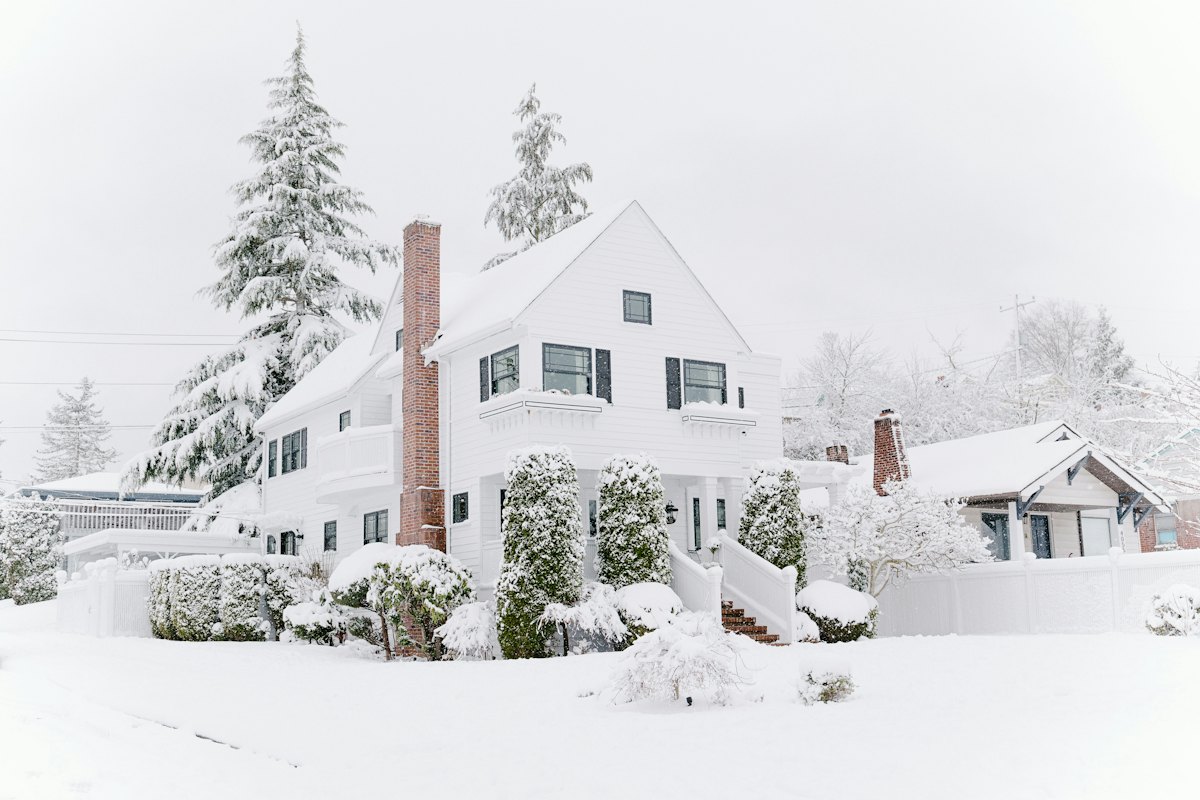
The furnace is starting to kick on at night, which means there are a few weeks left to get ahead of winter. Whether you own the home you live in or rent out a unit or two, here is what to check before the first hard freeze, what the rules say in London, and where you can get some of the cost back.
Outside: before the first freeze
- Shut off and drain outdoor taps. Close the inside shutoff, open the outside tap to let it drain, and disconnect hoses. A frozen hose bib can split and leak into a wall.
- Clean eavestroughs and check downspouts. Make sure water is carried well away from the foundation. Clogged gutters lead to ice dams and wet basements.
- Seal the gaps. Caulk cracks around windows and exterior trim, and replace worn weatherstripping and door sweeps. It is cheap and you will feel the difference.
- Check grading and walkways. Soil should slope away from the house. Fix loose steps and railings now, while concrete and mortar can still cure.
- Trim branches that hang over the roof, the driveway or the power line to the house.
Inside: heat, air and safety
Book a furnace tune up if it has been more than a year, and change the filter. Keep the area around the furnace and water heater clear of boxes and paint cans.
Next, test your alarms. Since January 1, 2026, Ontario requires a carbon monoxide alarm on every storey of a home, including storeys without bedrooms, plus one next to each sleeping area. The province also advises testing CO alarms monthly and replacing batteries every year.
Fire Prevention Week runs October 4 to 10 this year, and the focus is lithium ion batteries. Before winter, move e bike, scooter and power tool chargers away from exits and off soft surfaces, and do not charge them overnight in the garage next to the furnace.
Heating costs matter too. Enbridge Gas rates changed on October 1. Most rate zones went down slightly, but Union South, the zone that covers most of southwestern Ontario, saw an increase of about $18 a year (1.9%) for a typical home. Check your bill for your rate zone.
Basement and plumbing
- Test the sump pump by pouring a bucket of water into the pit. Clear the discharge line so it cannot freeze shut.
- Insulate pipes in crawl spaces, garages and along exterior walls.
- Know where your main water shutoff is, and make sure it turns. Tag it so anyone in the house can find it.
If you have had water in the basement before, look at the City of London's Basement Flooding Grant Program. It covers 90% of eligible costs, up to $1,800 for a backwater valve, $4,000 for a new sump pit and pump with weeping tile disconnection, and $1,400 for a sump pump battery backup. The catch: you need written approval from the City's Sewer Engineering team before any work starts, and the work must be done by a licensed plumber or drainage contractor. Contact sewers@london.ca or 519 661 2489 ext. 5489.
For landlords
London's Vital Services Bylaw requires landlords to keep occupied rental units at a minimum of 20°C from 6 am to 11 pm and 18°C overnight, from September 15 to June 15. If a furnace fails in January, that clock is already running, so a fall service visit is cheap insurance.
Ontario also makes landlords responsible for installing and maintaining CO alarms, testing them at least once a year and at every change of tenancy, and giving tenants the maintenance instructions. Put the test date on your own calendar and keep a note in the unit file.
Agree in writing who clears snow from the walkway and parking area, and leave tenants a short winter sheet: where the water shutoff is, how to reach you, and what to do if the heat goes out. For a vacant unit, keep the heat on and have someone check it every few days.
Rebates worth a look: the Home Renovation Savings Program, run by Enbridge Gas and Save on Energy, lists rebates of up to $7,700 for insulation, up to $250 for air sealing, $100 per window or door opening, $125 for a smart thermostat and up to $12,000 for a heat pump. Insulation, windows, doors and air sealing need a home energy assessment first, so book that before you buy anything.
Know the City's winter rules
Overnight street parking passes are available from November 15 to March 31, with 15 free passes per plate and $5 per pass after that. When the City declares an overnight parking ban for snow, cars must be off the street overnight. The City clears sidewalks once about 8 cm of snow has fallen, but you cannot push snow from your driveway onto the road or sidewalk. Bookmark london.ca/snow for updates.
Your winter checklist
- This week: drain outdoor taps, clean eavestroughs, test smoke and CO alarms, change the furnace filter.
- By the end of October: furnace service, caulking and weatherstripping, test the sump pump, add any missing CO alarms.
- Before November 15: line up snow clearing for the season, give tenants their winter sheet, register for overnight parking if you need it.
- Over the winter: book indoor projects. Bathrooms, basements, flooring and painting are all good cold weather jobs, and the schedule is usually more open than in spring.
- Before you spend on upgrades: check for a grant or rebate first. Many require approval or an assessment before work starts.
Rules, rates and rebate amounts change, so confirm details with the City or the program before you commit. If you want a hand with any of this, from weatherstripping and small repairs to a winter snow contract or a basement project, get in touch.
Getting your home or rental ready for winter?
Send us a few details or photos and we'll get back to you within one business day.
City of London: Vital Services Bylaw PH 6
City of London: Basement Flooding Grant Program
City of London: Overnight on street parking
City of London: Winter maintenance
Government of Ontario: Carbon monoxide safety
Enbridge Gas: Residential rates, October 1, 2026 change
Home Renovation Savings Program (Enbridge Gas and Save on Energy)
NFPA: Fire Prevention Week 2026
This post is general information, not financial or legal advice.